You’re Not Asking for Too Much — You’re Asking the Wrong People
Explore Working With EmpowerHER---
Explore Working With EmpowerHER---

Non-Judgmental Therapy for Women Who Feel Misunderstood
If you’ve ever been told you’re too much, too emotional, too sensitive, or too needy — pause.
Because most of the time, you’re not asking for too much.
You’re asking the wrong people for safety, understanding, or emotional depth they don’t have the capacity to give.
And constantly trying to be understood in spaces that judge you?
That’s exhausting.
Many women come to therapy not because they’re broken — but because they’re tired of over-explaining themselves just to feel respected.
Feeling this already?
If you’re tired of explaining yourself just to be heard, there is a space where you can be met with curiosity, respect, and emotional safety — not judgment.
→ Explore working with EmpowerHER Therapy
Why So Many Women Feel Judged When They Ask for More
A lot of my clients are high-functioning, self-aware women who have learned how to survive in environments that weren’t emotionally safe.
Some are caregivers.
Some are professionals.
Some live outside traditional expectations.
Some do work that others have opinions about — even when it doesn’t harm anyone.
What they all have in common isn’t being “difficult.”
It’s being emotionally unsupported while still expected to hold everything together.
So when you finally ask for reassurance, boundaries, or consistency, it feels like you’re asking for too much.
You’re not.
The Trauma-Informed Reason This Pattern Keeps Repeating
From a trauma-informed therapy perspective, this pattern often comes from:
Growing up having to earn emotional safety
Being praised for being “low maintenance”
Learning early that your needs made others uncomfortable
Being judged or misunderstood for choices that don’t fit the norm
Spending too long in survival mode
Your nervous system learned:
“If I don’t ask for much, I won’t lose people.”
But the cost of that coping strategy is self-abandonment.
This is something we see often in therapy for women healing from trauma — especially those who’ve had to navigate judgment, stigma, or misunderstanding.
A Therapist Bestie Reality Check (With Love)
Here’s the truth most people avoid saying:
If someone consistently:
Minimizes your emotions
Judges your life choices
Makes you explain yourself to be respected
Responds with defensiveness when you express needs
They are not emotionally safe for you.
And continuing to seek validation there will keep you stuck — no matter how much inner work you’ve already done.
Wanting respect, consistency, and emotional safety does not make you high-maintenance.
It makes you human.

Gentle Reflection Questions to Ask Yourself
You don’t need perfect answers — just honest ones.
Where in my life am I over-explaining to be understood?
Who benefits when I stay quiet or “low maintenance”?
What parts of myself feel most judged or hidden?
What would it feel like to be fully honest without defending myself?
These are the questions that often lead people to seek deeper, more supportive therapy.
What Non-Judgmental Therapy Can Actually Offer
Healing isn’t about becoming easier to tolerate.
It’s about:
Feeling emotionally safe being honest
Learning how to trust your internal compass
Setting boundaries without guilt
Working with a therapist who doesn’t judge your choices or identity
Being met with curiosity, not criticism
This is the kind of non-judgmental, trauma-informed therapy we focus on at EmpowerHER.
Working With EmpowerHER Therapy
At EmpowerHER Therapy, we work with women who are tired of surface-level conversations and ready for meaningful change.
Our approach is:
Non-judgmental
Trauma-informed
Respectful of autonomy
Inclusive of lived experiences that don’t fit neatly into boxes
You don’t have to justify your life to deserve support.
If this resonated, therapy may be the space where you finally don’t have to explain yourself to be understood.
👉 Learn more about working with EmpowerHER Therapy or request a session

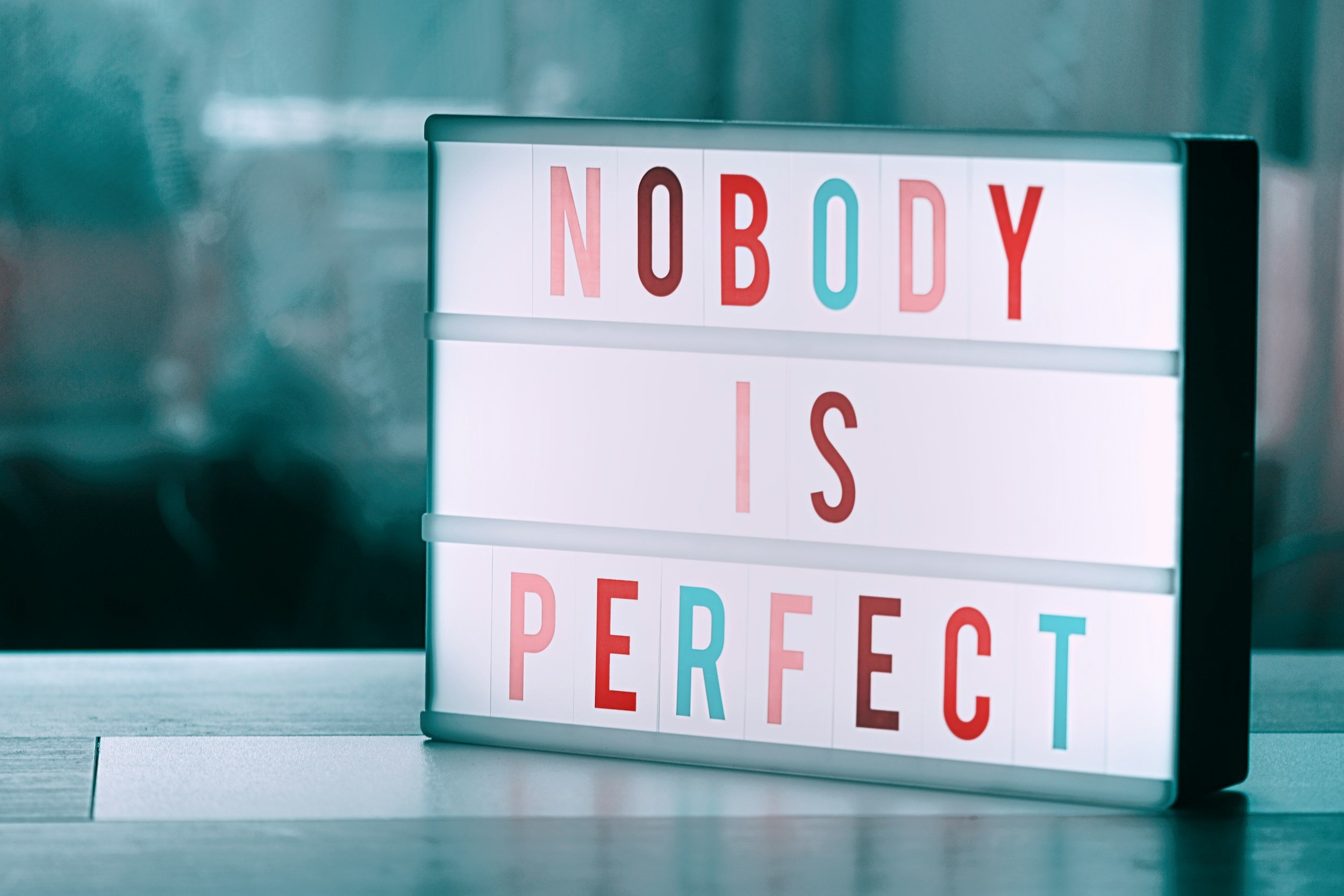
If you’ve ever been told you’re “too much,” you’re probably not asking for too much — you’re asking the wrong people. This post explores why so many women feel judged when expressing their needs and how non-judgmental, trauma-informed therapy can create a space where you no longer have to over-explain yourself.